










Asian markets tumbled at the open on Thursday following the escalation of geopolitical tensions in the Middle East.
Brent crude pushed above $110 a barrel after strikes on critical energy infrastructure deepened fears of a broader supply squeeze.
The development came as Tehran hit a major energy facility in Qatar in a direct response to Israel’s strike on Iran’s South Pars gas field.
It’s a clear escalation, and markets are reacting quickly, with energy prices surging as tensions escalate.
Japan and Korea buckle
Japan led the declines, with the Nikkei 225 slumping about 2.4% in early trade as investors absorbed the oil shock.
Moreover, the sentiment in Japan is already cautious as the Bank of Japan (BoJ) kept its rates steady at 0.75%.
The pressure on Tokyo stocks reflects a difficult mix for Japanese investors.
Rising crude prices increase the threat of imported inflation for an economy that remains heavily reliant on energy costs.
South Korea also gave back a chunk of the previous session’s optimism.
The Kospi fell 1.65% to 5,827.07 in the user’s market brief, unwinding part of Wednesday’s 5.04% surge.
Like Japan, the situation is quite similar for South Korea as the external energy shock is arriving just as central banks are trying to manage already complicated inflation.
Hong Kong feels it most
Hong Kong’s benchmark Hang Seng index opened 1.68% down on Thursday at around 25,593.03 levels.
The selloff in Hong Kong looks more severe than on the mainland because the market is more exposed to global financial sentiment.
Mainland China, by contrast, looked somewhat more cushioned, even though it was hardly immune.
Shanghai Composite opened at 4,028.54, down 34.44 points or 0.85%, after closing at 4,062.98 on Wednesday.
That relative resilience fits the broader pattern in Chinese equities this month.
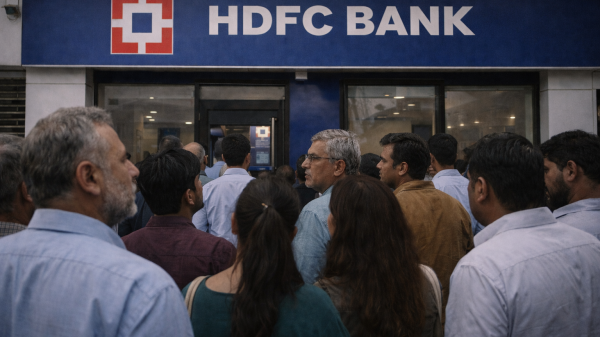
Indian markets took a hit on Thursday, snapping a three-day winning streak as oil prices spiked after a fresh escalation in the Iran conflict pushed Brent above $110 a barrel.
Around 9:30 AM (IST), the Sensex had dropped nearly 1,519 points (about 2%) to 75,185, while the Nifty slipped 456 points, or 1.9%, to trade at 23,322.
Oil shock meets Fed warning
The central reason for Thursday’s weakness is energy.
After the Iranian strike, the Qatari authorities have decided to shut production at Ras Laffan, the world’s largest LNG export facility.
The plant accounts for roughly one-fifth of global LNG supply and is one of the major exporters to Europe.
Moreover, the US Fed’s widely expected decision to hold the benchmark interest rates didn’t come without some serious warnings around inflation.
Jerome Powell pushed back on hopes of quick rate cuts, saying inflation isn’t easing as much as they’d expected.
The post Asian markets tumble as Middle East strikes spark oil shock appeared first on Invezz